Pets
For the animals on your couch.
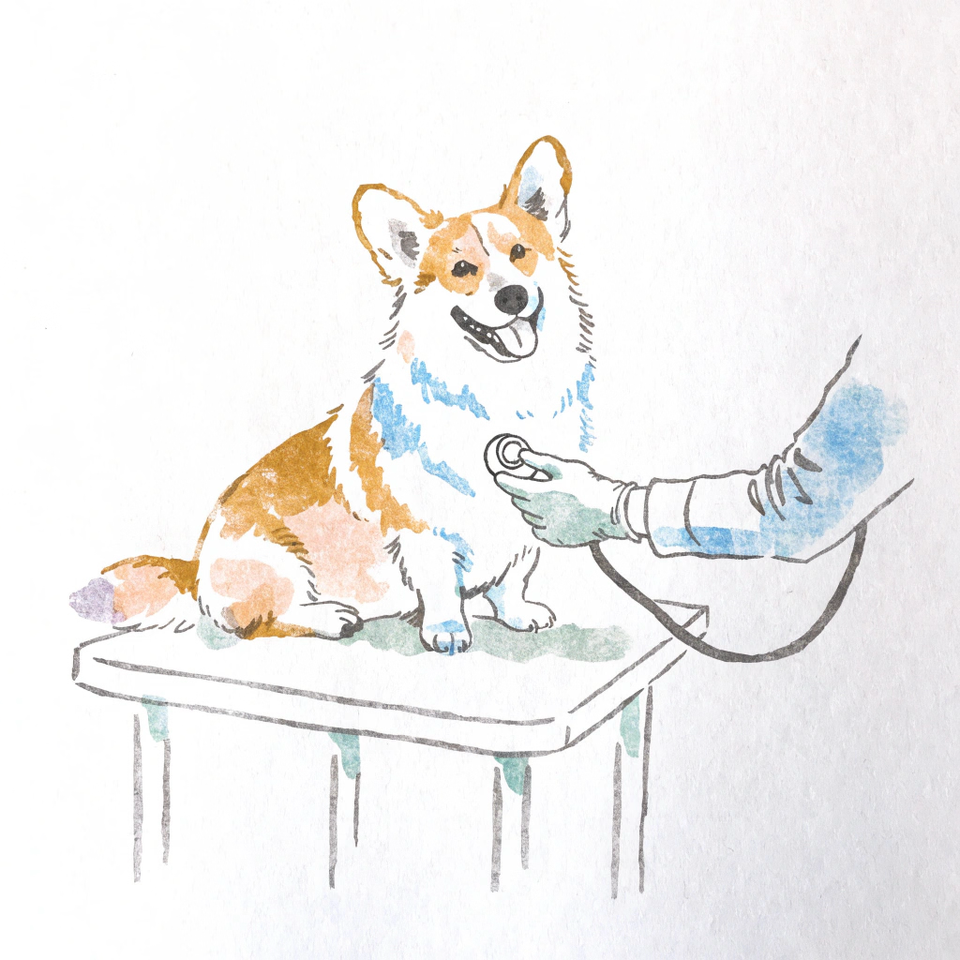
Dogs, cats and small pets: check-ups, vaccinations, surgery and teeth, here at the clinic on Rodney Street.
Pet services.
Pets
Check-ups & vaccinations
A nose-to-tail check, and the vaccinations that keep dogs and cats protected.
Pets
Puppies & kittens
A good start: first vaccinations, worming, flea control and all your questions.
Pets
Surgery
Desexing, routine operations and bone-and-joint surgery in our own theatre, including cruciate repairs.
Pets
Hospital care
When your pet needs to stay with us: fluids, medicines and nursing care.
Pets
Lab tests & diagnostics
Blood and urine tests in our own lab, x-rays and ultrasound.
Pets
Dental care
Checks and treatment for sore teeth and gums.
Pets
Fleas, worms & ticks
The right treatment for your pet, and a plan to keep them covered.
Pets
End-of-life care
Honest advice and gentle care when your pet is old or very unwell.
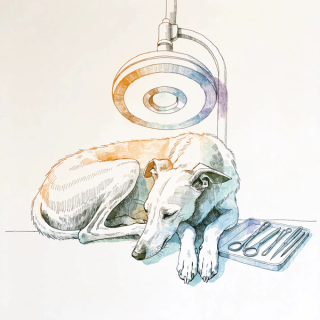
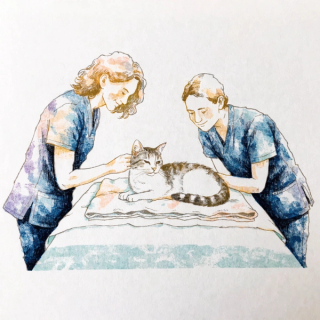
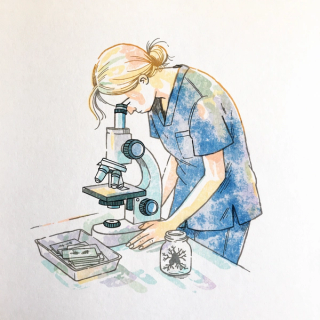
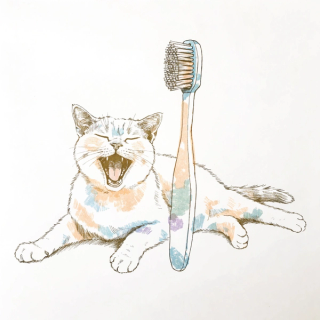
Some of our patients.
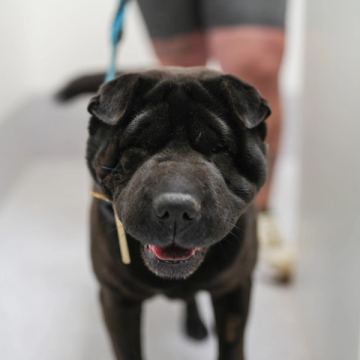
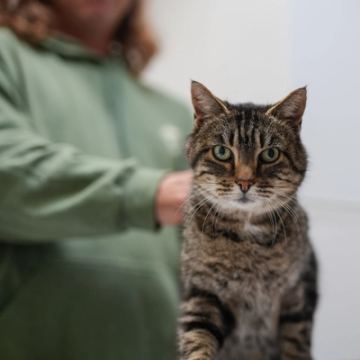
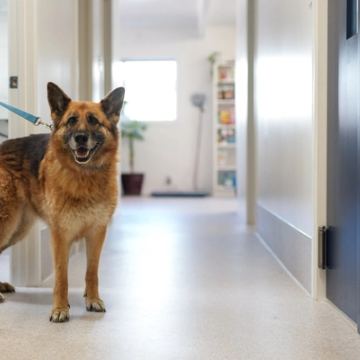
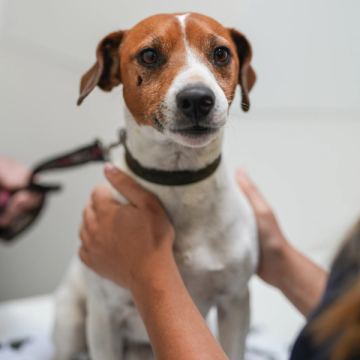
A few of the dogs and cats we look after, photographed at the clinic.


What pet owners say.
“I can’t speak highly enough of the wonderful team at Wellsford Vets and the care they have given my much-loved dog, Zoe. … They truly go above and beyond, and I wouldn’t hesitate to recommend them to anyone who wants exceptional veterinary care from people who genuinely care about both the animals and their owners.”
CindyCindy Bakewell Travel · Zoe’s owner“We have been with Wellsford Vets for many years. We can’t fault them, they are so very caring and empathetic with all the animals we have had over the years. Most recently we lost a super cute little pup and everyone in the practice was affected by it, which I thought was absolutely wonderful. They care so much.”
Neil & SandiClients for many years“Jeff, one of our rescue dogs, had to see the team at Wellsford Vet this year for major TPLO surgery. Jeff is a very active dog, and despite finding the initial restriction challenging, she is now doing fantastically well, and back to swimming at her best. We had great communication before, during, and following the procedure. Jeff was treated with care, and is very happy to go back into the clinic to see the team!”
 TrishJeff’s owner
- Shar Pei
- Tabby
- German shepherd
- Jack Russell
Could yours be next?
Each month we’d like to show off one of the animals we look after. Send us a photo and a line or two: their name, and what makes them special.
- Take a photoA clear one in good light. A phone photo is perfect.
- Email it to usWith their name, and a line or two about what makes them special.
- We’ll check with youNothing goes on the website until you’re happy with it.
Questions pet owners ask.
The usual New Zealand course is three visits: a first vaccination at around 6–8 weeks, a second at 10–12 weeks and a final one at 16 weeks. The core vaccine protects against distemper, canine hepatitis and parvovirus, and depending on your puppy's lifestyle we may also recommend kennel cough. Because we are rural, we recommend all dogs are vaccinated for leptospirosis (lepto). Immunity isn't complete until a week or two after the last shot, and exact timing varies with the vaccine used, so ring us to set up the right schedule for your pup.
Kittens usually start at 6–8 weeks with a second vaccination 3–4 weeks later, and a final one at 16 weeks. The last isn't given any earlier because antibodies from mum can still block the vaccine before then. The core vaccine covers feline enteritis and the two cat flu viruses, herpesvirus and calicivirus; depending on whether your cat goes outside and mixes with others we may also discuss feline leukaemia virus. A booster is due about a year later, then at intervals we'll set with you. Indoor-only cats still need the core vaccine. The viruses come in on shoes and clothing.
As a general rule, adult dogs and cats are wormed for intestinal worms every three months, while puppies and kittens need worming fortnightly from two to twelve weeks, then monthly until about six months old. If your dog has any access to raw sheep meat or offal (very common on lifestyle blocks), that dog needs a monthly tapeworm treatment containing praziquantel as well, because the sheep measles tapeworm matures in around 35 days and infected dogs contaminate your paddocks. Fleas are usually treated monthly, and ticks matter here: the New Zealand cattle tick is found right through the North Island and will attach to dogs and cats, so check your animal over after walks through long grass. Which product suits depends on age, weight and lifestyle, so ask us rather than guessing at the supermarket.
Cats are wired to hide pain and illness, so “just getting old” and “quietly unwell” look almost identical from the outside. The things worth ringing us about are drinking or weeing more than usual, weight loss you can feel over the spine and hips, eating less or more, a scruffy coat because she's stopped grooming, hiding away, missing the litter tray, and any hesitation before jumping up or down. Arthritis is very common in older cats and is often mistaken for slowing down. Kidney disease, an overactive thyroid, diabetes and dental pain are all common in older cats and all much easier to manage caught early, which is why we suggest a check every six months once they're getting on.
Rat bait is the big one. Most baits stop the blood clotting, and the frightening part is the delay: a dog can look completely normal for three to seven days before internal bleeding starts, by which point treatment is much harder. Ring us the same day even if he seems fine, and bring the packet, because treatment depends on which bait it was. Chocolate (the darker the worse), xylitol or “birch sugar” in sugar-free gum and some peanut butters, macadamias, onions and grapes are the common household ones. Bee and wasp stings usually just cause a swollen face, but ring straight away if there's vomiting, collapse or trouble breathing.
Yes. Treat this as a genuine emergency and ring us straight away, day or night. A male cat straining repeatedly with little or no urine, crying in the tray, licking at himself, vomiting or hiding may have a blocked bladder, which male cats are prone to because their urethra is so narrow. Once blocked, toxins build up fast and it can kill within a day or two, but cats that get to a vet quickly usually do well. Don't wait to see if he comes right overnight.
Not answered here? Ring 09 423 8008 and ask.
Book your pet in.
Send us the details and a real person rings you back, or ring 09 423 8008.