Farm
Out to the farm gate.
Herd and flock health, calvings, milk quality, and non-cycler management. We come to you, Warkworth to Kaiwaka, coast to coast.
Farm services.
Farm
Dairy herd health
Vet work for the whole herd through the season, not just when something goes wrong.
Farm
Flock health
Preventive care, abortion investigations, vaccination advice and trace element support for your flock.
Farm
Mastitis & milk quality
Milk testing and an udder-health programme for the herd.
Farm
Mating & reproduction
Metrichecking, CIDR programmes, pregnancy scanning and help for cows that aren’t cycling.
Farm
Calving & calves
Calving calls, prolapses and sick calves, including scours testing.
Farm
Beef cattle & bulls
Vaccinations and plans for young stock.
Farm
Disbudding & dehorning
Our technician team can support your operation in a friendly, stress-free manner.
Farm
Parasitism
Help to minimise the effects of parasites on your herd’s or flock’s productivity.
Farm
Nutrition
Independent professional advice on your ration.
Farm
Animal health plans
A written plan for your stock through the year.
Farm
Restricted medicines
Authorisations for the restricted veterinary medicines your farm needs.
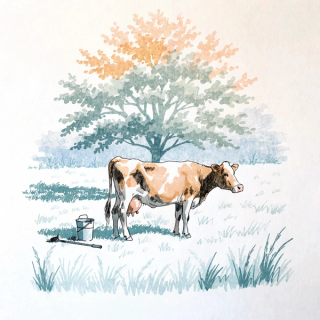
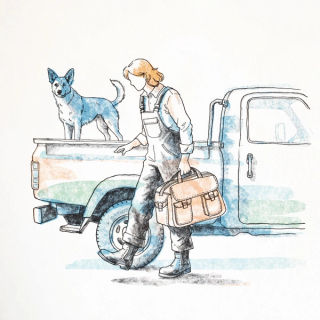
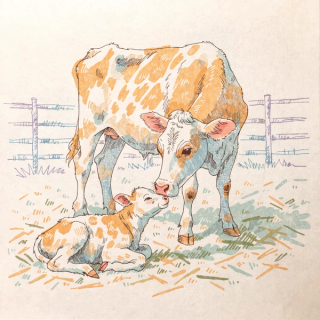
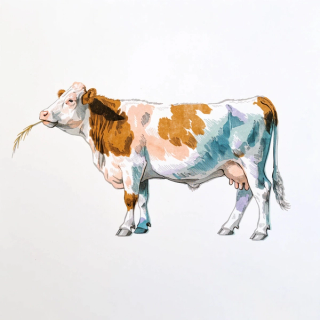

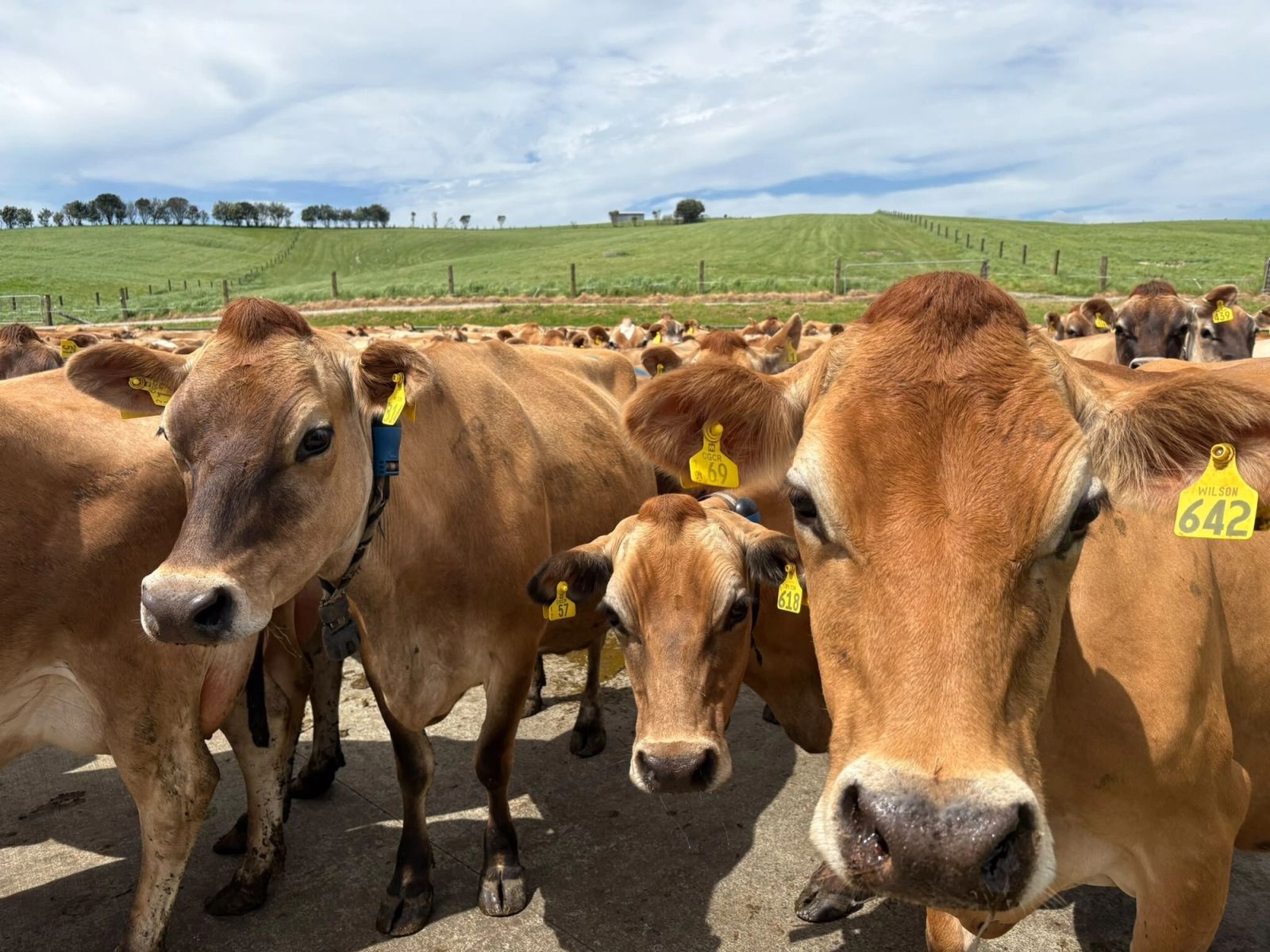
On the farm.
Out on the farms and blocks we look after.
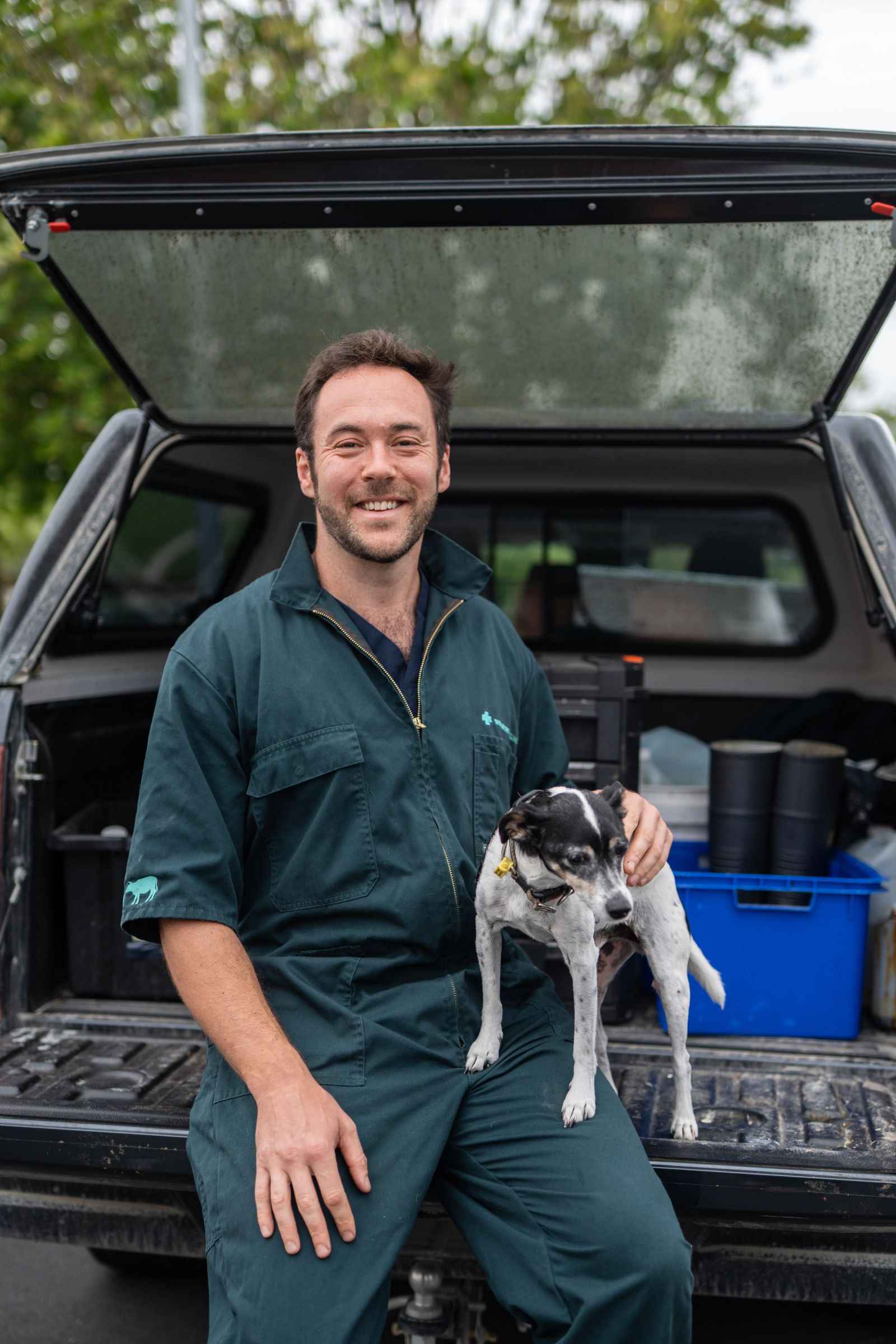

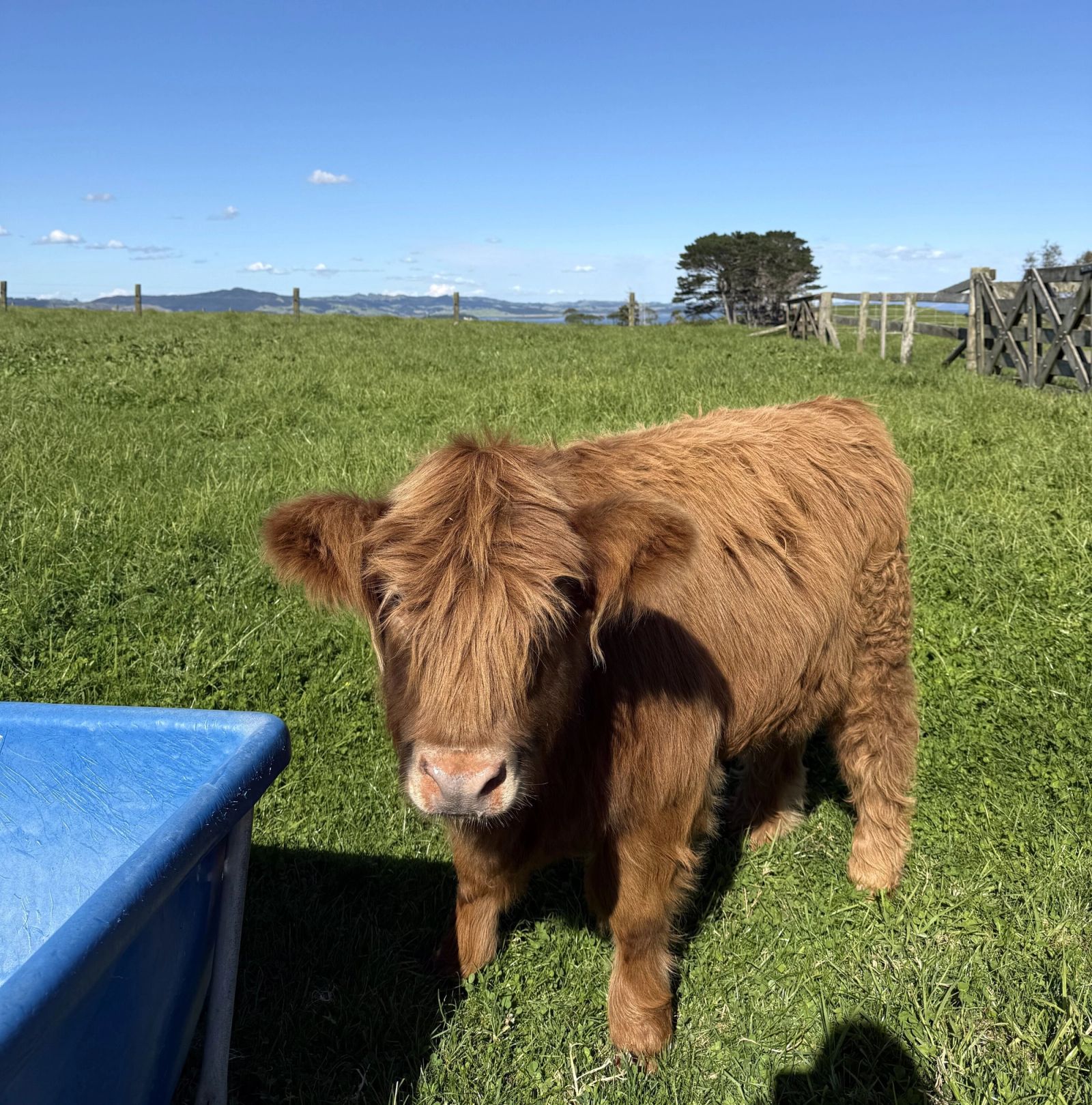


Your farm vets.
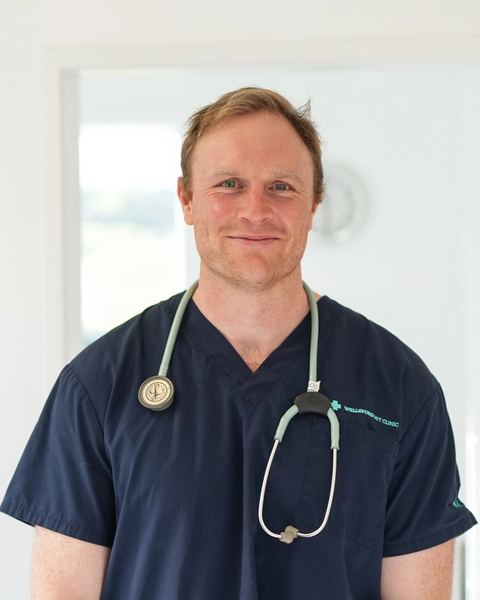
Neil Warnock
CEO & Head Vet
I started working for Wellsford Vets in 2016 and became manager of the clinic in January 2023. I have a passion for small animal surgery, with a special interest in orthopaedic surgery.
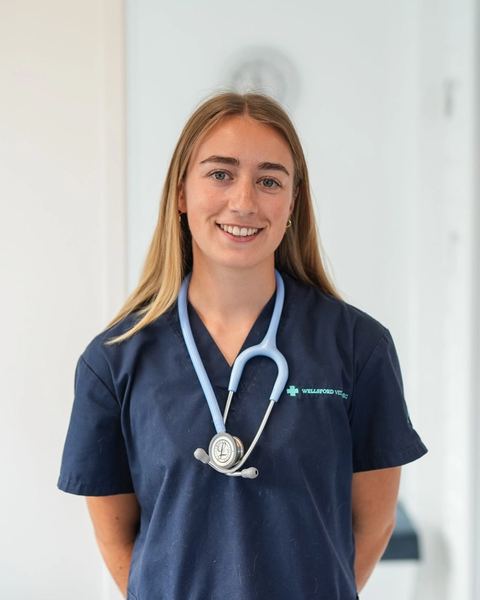
Elsa Haugen
Vet
I love working with our awesome team to serve our community. I particularly enjoy farm animal medicine and surgery, as well as small animal surgery. I have loved getting to know the local community and its animals.
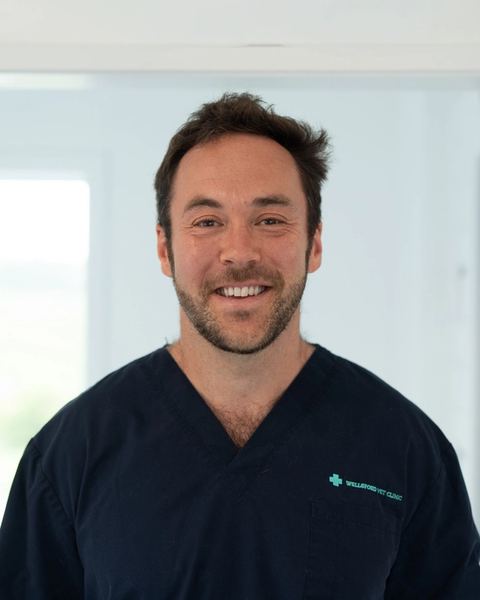
Rory Dean
Vet
After starting at Wellsford Vets this spring, I’ve really enjoyed getting to know our local community. I’m passionate about all aspects of rural practice.


What our clients say.
“Professional, knowledgeable, reliable and friendly are just a few words we would use to describe the team at the Wellsford Vets. They continually provide us with excellent service for all our dairy herd needs and are always able to offer practical and achievable solutions that help us get the results we’re looking for.”
Michaela & HaydenDairy farmers“I can’t speak highly enough of the wonderful team at Wellsford Vets and the care they have given my much-loved dog, Zoe. … They truly go above and beyond, and I wouldn’t hesitate to recommend them to anyone who wants exceptional veterinary care from people who genuinely care about both the animals and their owners.”
CindyCindy Bakewell Travel · Zoe’s owner“We have been with Wellsford Vets for many years. We can’t fault them, they are so very caring and empathetic with all the animals we have had over the years. Most recently we lost a super cute little pup and everyone in the practice was affected by it, which I thought was absolutely wonderful. They care so much.”
Neil & SandiClients for many years
Farm questions.
Suitable handling facilities make examinations and treatments safer for everyone. For cattle, sturdy yards with a race and head bail are ideal. For sheep, goats and alpacas, a secure pen where they can be safely caught is helpful. Have your animals ready before a planned visit, and let us know beforehand if catching or restraining them may be difficult.
Vaccinations are important even if you only have a few animals. The vaccines and timing depend on their species, age, previous vaccinations and whether you’re breeding them. The basics are a 5-in-1 clostridial vaccine: two shots four to six weeks apart to start, then an annual booster, with lambs usually done at docking and cattle from around weaning. Leptospirosis vaccination is also worth discussing, as the disease can affect both your animals and people, causing serious illness. We can advise whether it’s recommended for your animals. Contact us with any vaccination records you have, and we can help work out what they need and when.
There isn’t one drenching schedule that suits every lifestyle block. It depends on your animals, their age, grazing conditions and previous treatments. Faecal egg counts can help guide decisions about worm treatment. We can advise on testing, choosing a suitable drench and giving the correct dose.
Facial eczema is caused by a fungal toxin in pasture that damages the liver. Some animals develop painful, sunburn-like skin damage, but others can have liver damage without any obvious signs.
The risk increases during warm, humid weather, usually over summer and autumn. Monitoring pasture spore counts helps guide when to start zinc protection. Zinc helps protect the liver and should be started before spore counts rise, at the correct dose for your animals. Contact us for advice on pasture testing and zinc options. If your animals seem unwell or develop skin changes, give us a call.
Early signs of calving include restlessness, separating from the herd and lifting the tail. Once she starts actively straining or the water bag appears, watch closely for steady progress, such as the calf’s feet appearing and moving further out.
If the calf appears to be positioned incorrectly, your cow seems distressed or cannot get up, or you’re unsure whether things are normal, call us to discuss next steps.
Avoid pulling unless you’re experienced and confident the calf is positioned correctly. Having suitable yards, a cattle race or a cowshed where your cow can be safely restrained makes it easier for us to help. If she can walk comfortably and it’s safe to move her, have her somewhere accessible before we arrive.
Call the clinic and describe what you’re seeing, when it started and whether the animal is eating, drinking and able to stand. For urgent concerns, phone rather than email or message, including after hours. Let us know your address and what handling facilities are available so we can discuss the next steps.
Not answered here? Ring 09 423 8008 and ask.
Book a farm visit.
Ring 09 423 8008 for anything urgent. After hours, the duty vet rings you back.